If you’ve ever searched for something on Google and clicked one of the first few results, you’ve already experienced the power of SEO.
Whether you’re a business owner, blogger, digital marketer, or someone planning to launch a website, understanding SEO is one of the most valuable skills you can learn in 2026. A well-optimized website attracts the right audience, generates organic traffic, and helps your business grow without relying entirely on paid advertising.
In this beginner-friendly SEO guide, we’ll explain everything you need to know about Search Engine Optimization, how it works, and why it’s essential for online success.
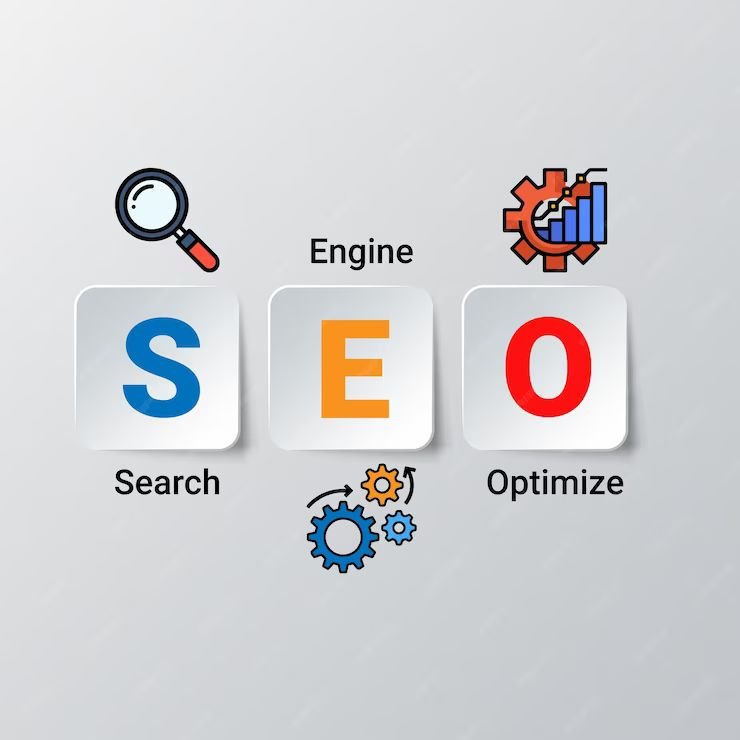
What Is SEO?
SEO (Search Engine Optimization) is the process of improving a website so it appears higher in search engine results when people search for relevant topics, products, or services.
The goal of SEO is simple:
Increase website visibility
Attract more organic (free) traffic
Improve user experience
Generate more leads and sales
For example, if you own a bakery in Kochi, you would want your website to appear when someone searches for:
Best Digital Marketing agency in Kochi
Best Digital Marketer near me
SEO Specialist in Kochi
SEO helps make that happen.
Why Is SEO Important in 2026?
Search engines process billions of searches every day. Most users click one of the first few results and rarely move beyond the first page.
A strong SEO strategy helps your website:
Reach people actively searching for your products or services
Build trust and credibility
Generate consistent organic traffic
Reduce long-term advertising costs
Increase conversions and sales
Stay competitive in your industry
SEO is no longer optional – it has become a fundamental part of digital marketing.
How Does SEO Work?
Search engines like Google use automated programs called crawlers (or spiders) to discover and analyze web pages.
The process works in three steps:
- Crawling
Google discovers pages by following links across the internet.
- Indexing
The discovered pages are stored in Google’s massive database.
- Ranking
When someone performs a search, Google evaluates hundreds of ranking factors to determine which pages provide the most helpful and relevant answers.
Types of SEO
- On-Page SEO
On-page SEO focuses on optimizing the content and structure of your website.
Examples include:
Keyword optimization
High-quality content
Optimized headings
Meta titles and descriptions
Internal linking
Image optimization
- Off-Page SEO
Off-page SEO improves your website’s authority through external signals.
Common strategies include:
Building quality backlinks
Guest posting
Brand mentions
Social media promotion
Digital PR
- Technical SEO
Technical SEO ensures search engines can efficiently crawl and index your website.
Key elements include:
Fast loading speed
Mobile-friendly design
Secure HTTPS connection
XML sitemap
Robots.txt
Structured data (Schema Markup)
- Local SEO
Local SEO helps businesses appear in location-based searches.
Examples:
Restaurants
Travel agencies
Clinics
Hotels
Retail stores
Optimizing your Google Business Profile, collecting customer reviews, and using local keywords can significantly improve local visibility.
How Search Engines Rank Websites
Google considers many factors when ranking pages, including:
High-quality, helpful content
Relevant keywords
Website authority
Backlinks from trusted websites
User experience
Mobile responsiveness
Fast loading speed
Secure browsing (HTTPS)
Fresh and updated content
The better your website performs in these areas, the greater its chances of ranking well.
How Long Does SEO Take?
SEO is a long-term investment.
Most websites begin seeing noticeable improvements within 3 to 6 months, while highly competitive industries may take 6 to 12 months or longer.
Results depend on factors such as:
Competition
Website age
Content quality
Technical health
Backlink profile
Consistency of optimization
Patience and continuous improvement are key.
Benefits of SEO
Investing in SEO offers several long-term advantages:
Consistent organic traffic
Higher search engine rankings
Better brand visibility
Improved credibility
Higher conversion rates
Cost-effective marketing
Long-lasting results
Strong return on investment (ROI)
Unlike paid ads, well-optimized content can continue attracting visitors for years.
Is SEO Still Worth Learning in 2026?
Absolutely.
Although search engines continue to evolve with AI-powered search experiences, the core principles remain the same:
Create helpful content
Understand user intent
Provide an excellent website experience
Build trust and authority
Businesses that consistently follow SEO best practices are more likely to earn sustainable visibility and traffic over time.
Conclusion
SEO is one of the most powerful digital marketing strategies for driving long-term, organic growth. By understanding how search engines work and focusing on helpful content, technical performance, and a positive user experience, you can build a website that attracts the right audience and supports your business goals.
Whether you’re launching your first website, running a blog, or managing an online business, learning SEO today will give you a strong foundation for future success. Start with the basics, keep improving your content, and stay up to date with evolving search trends—consistent effort is what delivers lasting results.